
Why Good Design Is The Foundation Of A Strong Brand
A brand is a person’s relationship with your business or product. It’s what people will think, feel and say about your business. As Marty Neumeier, the father of branding once said, “A brand is not what you say it is. It’s what they say it is”.
In our latest blog, we explore the design element of building strong brands and why this matters to businesses looking to set themselves apart from other players in the market.
What goes into a strong brand?
As with any relationship, there is always the beginning – the first impression.
Strong, memorable brands are typically easy for the audience to remember and distinguish from the rest of the pack. The good news is that this doesn’t happen by accident. The impact can be created. It starts with getting familiar with the core elements of what your business or product is, and what it stands for.
Enter, brand strategy.
Brand strategy not only helps you understand who you are, it paves the way to how you’ll be going to communicate it to your intended audience. Memorable brands are typically a result of business owners being as committed to building their brand as they are in sustaining and growing their business.
What are the benefits of building a brand strategy?
- It gives your brand a clear focus and direction
- It helps you to communicate your brand and showcase relevance to your intended audience
- It aligns the brand with the positioning and goals for the business
- It creates a personality for the brand, making it relevant and relatable to your target audience.
Branding is the process of connecting good strategy with good creativity.
— Marty Neumeier
So, what has design got to do with branding?
If a picture is worth a thousand words, what is the worth of a strong and distinctive logo to your business?
When you invest time and resources into building a brand story, it is imperative to provide a strong visual cue to allow your target audience to recognise it at a glance.
Good, cohesive design not only helps with recognition, it builds credibility and provides a point of connection for your business and its offerings. In today’s hyper-competitive market, a poorly designed logo or website can deter potential customers from your business.
What are the cornerstones of good brand design?
Design is an unspoken language for the eyes and the emotions. Ideally, businesses want to invoke positive emotions at the sight of their brand or product offerings. This does not happen by accident. Here are a few elements found in good brand design.
Good design should be congruent with the key messages of the brand
Good brand design equates to strong visual identity to ensure easy recognition. It should work in congruence with the brand message and voice. A contemporary/friendly visual styling can be matched well with a more casual and dynamic narrative. Whereas a traditional/heritage visual identity would look out of place if the narrative is too casual.
Regardless of brand identity, a strong logo typically simple
Don’t let the word “simple” fool you. There are some considerations that you need to have when coming up with a logo. It starts with it being simple and easily distinguishable. After all, a logo is essentially an image that embodies the core elements of your brand.
Simplicity in a logo allows versatility in how it is applied against different settings. It also helps ensure the longevity of the brand image while you focus on other things – like growing your business.

Don’t underestimate the power of colour
The unspoken language, there is no doubt that colour enhances the overall brand experience and how you stand out against your competitors. While each person’s perception of a colour is different, we are naturally drawn to colour and form unspoken emotions and attachment around them. When choosing a group of colours to represent your brand, it is important to ask if the colour reflects the brand personality and how your target audience should relate to you. For example, an undertaker business would not expect to do well with playful colours in the same way Lego would.
Typography should seamlessly bind message with brand image
Typography is the middle ground between brand design and brand message. In the way that good brand design should be congruent with brand message, well chosen typography bridges them together. It also determines how accessible your company or product is to the target audience.
Consider typography carefully, if your brand is playful, would that be portrayed in a strong, bold and upright typeface? Is the typography easy to read if a person were to struggle with eyesight?
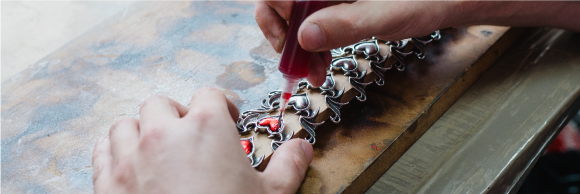
Good brand design doesn’t allow their imagery to let them down
Whether you choose illustrations or photography to depict your business and products, they should be aligned with your brand message and not overwhelm the audience. For example, if your business is a strong advocate for diversity, having faceless images that don’t represent diversity might not convey your sentiment.
If your business sells physical products, it is important to have high quality images of the product taken from various angles. In the world of eCommerce, products that are represented by low quality images perform poorly as customers are unable to form a visual relationship with them. A photography shoot of your product/brand in action is recommended as it captures the team behind it and the brand personality.
Good brand design can withstand the test of time
Trends suggest that successful businesses tend to rebrand themselves every 7 to 10 years for very good reasons. It is more than just keeping up with trends, it is about future-proofing the business by demonstrating their relevance to the current market as well as their vision for the future. After all, today’s market is vastly different from how it was 10 years ago.
In this blog, we talked a lot about congruence and simplicity in brand design. Well designed branding with these two qualities, tend to be able to stand the test of time. They are able to rejuvenate the brand image without losing the audience recognition whilst on their journey. Speaking of journeys…
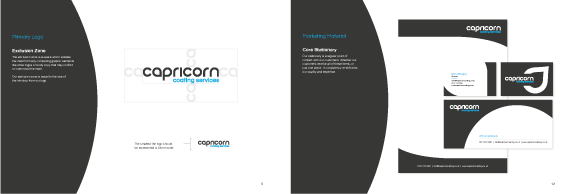
Brand guidelines help ensure that your business image don’t get taken for a ride
A brand guideline is a document that allows your team and external suppliers to maintain consistency while representing your brand. If you don’t have guidelines or think you need them, then you risk your hard earned brand losing focus and esteem through ambiguity.
Good brand guidelines also help your business maintain consistent visual representation regardless of occasion or backdrop.
Good brand design improves long term convenience when developing marketing collaterals and website
Businesses with strong brand design and guidelines tend to find that it is more convenient to update their website and marketing collateral in the long term. After all, your marketing collateral should continue the conversation that has already started with your audience and the image of your business upon first contact.
Guidelines also ensure that creativity is streamlined and hence, optimising the use of time when it comes to developing new collaterals.
To achieve originality we need to abandon the comforts of habit, reason, and the approval of our peers, and strike out in new directions.
— Marty Neumeier
Is it too late for me to do a branding exercise?
If your business is at its infancy, building a strategy early on will save you money in the long run and help you to avoid the common mistakes (such as, targeting the wrong audience and spending money on marketing campaigns with no real benefit). If you’re an established business on the other side, your brand may benefit from a refresh and repositioning to give your brand a new lease of life and direction that is relevant to modern consumer demands.
The way to think of it is, does your company behaviour and messaging reflect the company’s image? If you’re questioning this, then you should probably get in touch!
I’m not sure where to start. How can BoldType help?
In BoldType’s experience, we found that clients that fare better in their marketing initiatives have very clear answers for the following questions:
- Who are you targeting?
- What problem are you solving for your target audience?
- Why does it matter?
As a result, we have developed a free Ideal Client Persona Toolkit to help businesses with their first steps in their branding journey. Businesses that complete the Ideal Client Persona toolkit are entitled to a free 30 minute consultation with one of our marketing experts to help identify the next steps in your marketing journey.
Alternatively, speak to a member of our team today and we’ll help you identify your first steps.
